
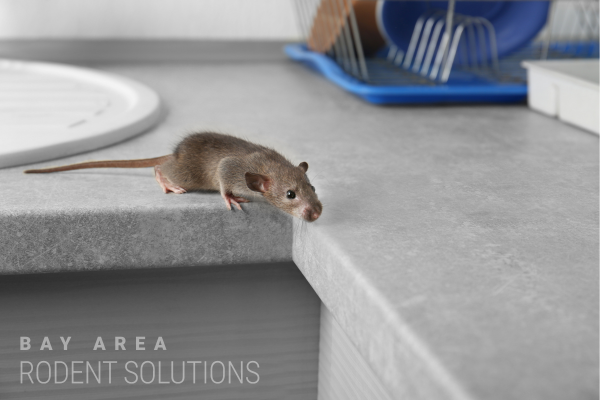
Rodents are a common nuisance in many households, causing damage to property, contaminating food, and posing health risks. When dealing with a rodent infestation, it’s essential to identify the culprits correctly to implement the most effective control measures. In this blog post, we’ll explore the differences between mice and rats, helping homeowners in the Bay Area recognize and address rodent problems with confidence.
Physical Characteristics
Mice:
- Size: Mice are typically smaller than rats, measuring about 3 to 4 inches in length (excluding the tail).
- Ears: Mice have relatively large ears compared to their body size, which are prominent and round.
- Tail: The tail of a mouse is long, thin, and covered in short hairs. It’s usually as long as the body or slightly shorter.
- Color: Mice can vary in color, ranging from light brown to gray, with lighter-colored bellies.
Rats:
- Size: Rats are larger than mice, with adult rats measuring around 6 to 10 inches in length (excluding the tail).
- Ears: Rats have smaller ears compared to mice, which are more proportionate to their body size and shaped like rounded triangles.
- Tail: The tail of a rat is longer and thicker than that of a mouse, and it’s scaly rather than covered in fur. It can be as long as or longer than the body.
- Color: Rats typically have brown or gray fur, with lighter-colored bellies.
Behavior and Habits
Mice:
- Nesting: Mice prefer to nest in secluded areas close to a food source, such as behind walls, in attics, or under floorboards.
- Diet: Mice are omnivorous and will eat a wide range of foods, including grains, seeds, fruits, and even small insects.
- Reproduction: Mice breed rapidly, with females capable of producing litters every few weeks. A single female mouse can give birth to up to 10 litters per year, each containing 5 to 6 pups.
Rats:
- Nesting: Rats are less picky about their nesting sites and will make their homes in a variety of places, including burrows, sewers, and garbage dumps.
- Diet: While rats are also omnivorous, they tend to favor protein-rich foods like meat, fish, and eggs. They are opportunistic feeders and will scavenge for food wherever they can find it.
- Reproduction: Rats reproduce at a slightly slower rate than mice but can still breed rapidly under favorable conditions. A female rat can produce several litters per year, each containing 6 to 12 pups.
Health Risks
Both mice and rats can pose health risks to humans and pets through the transmission of diseases, parasites, and allergens. Some of the diseases associated with rodents include:
- Salmonellosis
- Leptospirosis
- Hantavirus
- Lymphocytic choriomeningitis (LCMV)
- Rat-bite fever
Damage and Impact
Rodents are notorious for causing damage to property and infrastructure. Some of the common problems associated with mice and rats include:
- Gnawing on electrical wires, causing fire hazards
- Contaminating food and water sources with urine and feces
- Damaging insulation, walls, and furniture by building nests
- Chewing through pipes, leading to water leaks and structural damage
Effective Control Measures
Identifying whether you’re dealing with mice or rats is crucial for implementing the most effective control measures. While both rodents can be challenging to eliminate once they’ve established a presence, professional pest control services can help. Bay Area Rodent Solutions offers comprehensive rodent control services tailored to your specific needs, including:
- Thorough inspections to identify entry points and nesting sites
- Safe and humane removal of rodents using trapping and exclusion techniques
- Sanitation and cleanup to remove rodent droppings and urine
- Sealing off entry points and implementing preventive measures to deter future infestations
How Bay Area Rodent Solutions Can Help
Recognizing the differences between mice and rats is the first step in effectively addressing rodent infestations in your home or business. By understanding their physical characteristics, behavior, and habits, you can better tailor your pest control efforts to target these pests where they live and breed.
With the help of Bay Area Rodent Solutions, you can rid your property of rodents and safeguard against future infestations, ensuring a safe and healthy environment for you and your family.